The beginning of the new year is a great time to start planning your spring gardening season. Whether this is your first attempt at a garden or you are looking to clean up your current garden space; a little planning goes a long way. With a few simple tips, apps, tools, and elbow grease you’ll be on your way to a garden of your dreams. I’ve listed links and helpful tools along the way, but elbow grease is not included – sorry!

Purchase your Seeds
Don’t know where to start looking for seeds or have no idea what exactly you want to plant? That is where seed catalogs come in handy. You can still order physical seed catalogs but, most independent suppliers have online catalogs which are more environmentally friendly. Ordering seeds from independent sellers give you a chance to try new and unique varieties of crops. The possibilities are endless! But, be realistic about the amount and variety of fruits and veggies your family will eat and keep in mind the seasons in which your crops will grow. If you plan on gardening year round, a paper planner or digital planner will keep things in order. Here are a few seed sellers to get you started on your garden journey:
Burpee – They’ve been around since 1876 and offer a great interactive seed catalog. Plus, they offer great beginner tips!
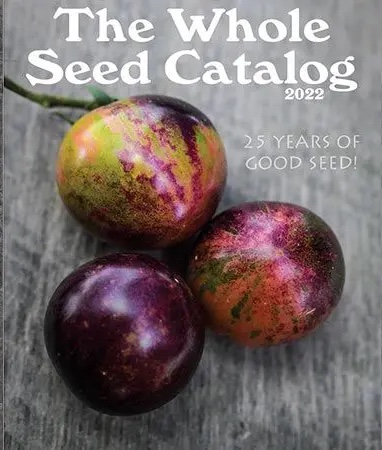
Baker Creek Heirloom Seeds – Beautiful varieties of veggies, unique fruits, and gorgeous flowers are offered here. They provide a free digital seed catalog but for a small price, you can get a dazzling full color Whole Seed Catalog sent to your home.
Clear Creek Seeds – This seed seller offers unique waterproof and resealable packaging for their seeds. They also offer carefully curated variety packs if you just can’t decide what to plant this year. Salsa garden anyone?
Seed Savers Exchange – Check out the world’s largest seed exchange which allows you to preserve and enjoy so many varieties of heirloom plants. This group utilizes onsite headquarters while saving a backlog collection of seeds at the Svalbard Global Seed Vault. You can join the seed exchange network or simply shop for several plant varieties through their online seed catalog.
Reminder for next year’s seeds: For predictable results, you can only save seeds from heirloom and non-GMO plants. Hybrid seeds cannot be properly duplicated once sown and if you are using genetically modified plants they are often protected by intellectual property rules – meaning you “pledge” not to replant.
Design your Garden
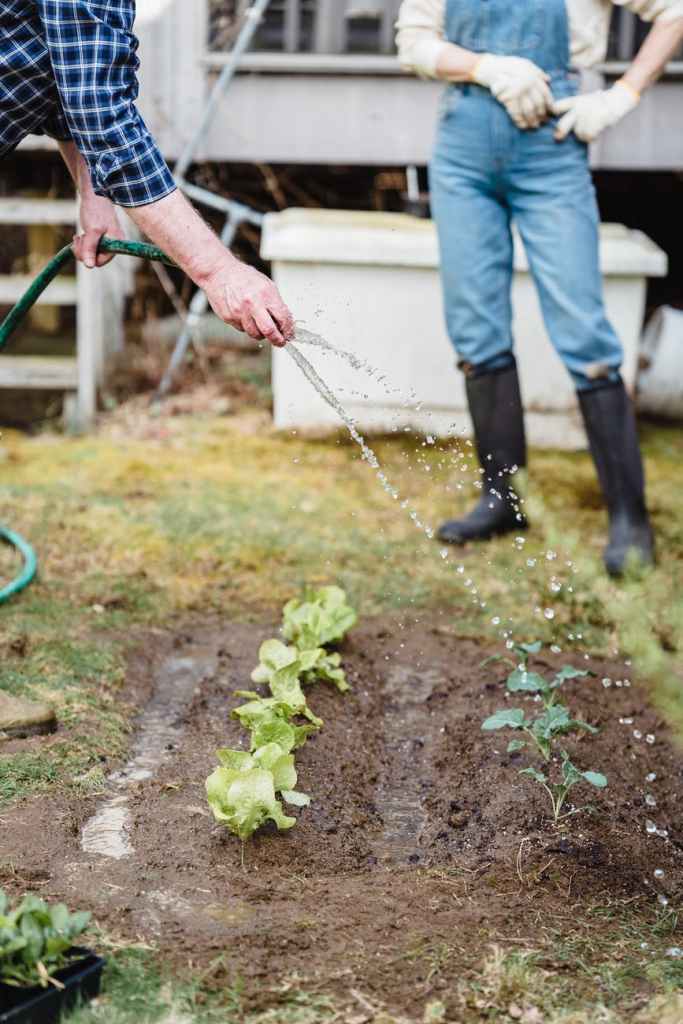
You’ve chosen your seeds, now its time to start planning out your garden space. Container gardens are great for people with little space. Raised garden beds provide extra protection against pests and look aesthetically pleasing. If you have available surface area and hearty soil that drains well, you can also plant using the no-till gardening method. When we lived in the suburbs, we created raised garden beds that were HOA friendly, easy to maintain, and added to our resale value. Since we have so much space at the homestead this year, we will be building a large, fenced in no-till garden with about 16 rows for crops and 4 arched trellises. Once you’ve scoped out an area, pull out the old graph paper and pencil and start sketching out designs. There are also phone apps and software that can help you plan as well.
Veggie Garden Planner – This easy to use app allows you to easy plan and see “good neighbors” and “bad neighbors”. Keep in mind, not all veggies can be planted next to each other so you have to plan your plant neighbors accordingly.
Get into Bees, Birds, or Bats
Look into beekeeping to help pollinate your plants and produce full-bodied, viable fruits and vegetables. You’ll also help nurture the dwindling bee population. Beekeeping is no small task but it can be very rewarding for both you and your bees. Local apiaries will usually sell you a Nuc (short for nucleus which is a starter colony) and a queen for your new hive. Your colony also needs a safe place to live – Check out how cool Flow Hive is for beginning Beekeepers!
Don’t forget to put in your order for Spring chicks and ducklings too. Chickens and ducks offer great natural pest control and you’ll also get the added benefit of eggs on demand. Remember, you’ll need extra space for a coop and water source for ducks too!

Bees and Birds not your thing? Then add a bat house (or two) for the added benefit of pest control! Mosquitos run rampant here in the south so we plan on adding a few bat houses to take care of the large mosquito, moth, and beetle populations. Bats also act as nocturnal pollinators so they can help your garden while you sleep.
General Clean up
Lastly, the winter months are a great time to clean up any overgrown areas you might have. Our property neighbors two farms and has large, dense tree cover in the back. We will be weeding back the shared fences, strengthening weaker fence areas, and cutting back young trees to make paths through our woods. You can even use branch cuttings as extra as fencing. Scope out garden tools now before they sell out in the Spring, and clean out the shed if you have one.
Here at 30 Wild Acres, we can’t wait to show you our new garden by Spring as well as our winged garden friends. Want progress updates along the way? Follow our Instagram page and stay up to date will our daily stories and weekly posts. Stay warm out there, and stay wild!
 30 Wild Acres