Jump-start Your Homestead in Time for Spring

The beginning of the new year is a great time to start planning your spring gardening season. Whether this is your first attempt at a garden or you are looking to clean up your current garden space; a little planning goes a long way. With a few simple tips, apps, tools, and elbow grease you’ll be on your way to a garden of your dreams. I’ve listed links and helpful tools along the way, but elbow grease is not included – sorry!

Photo by Ketut Subiyanto on Pexels.com

Purchase your Seeds

Don’t know where to start looking for seeds or have no idea what exactly you want to plant? That is where seed catalogs come in handy. You can still order physical seed catalogs but, most independent suppliers have online catalogs which are more environmentally friendly. Ordering seeds from independent sellers give you a chance to try new and unique varieties of crops. The possibilities are endless! But, be realistic about the amount and variety of fruits and veggies your family will eat and keep in mind the seasons in which your crops will grow. If you plan on gardening year round, a paper planner or digital planner will keep things in order. Here are a few seed sellers to get you started on your garden journey:

Burpee – They’ve been around since 1876 and offer a great interactive seed catalog. Plus, they offer great beginner tips!

Baker Creek Heirloom Seeds – Beautiful varieties of veggies, unique fruits, and gorgeous flowers are offered here. They provide a free digital seed catalog but for a small price, you can get a dazzling full color Whole Seed Catalog sent to your home.

The Whole Seed Catalog from Baker Creek Seeds

Clear Creek Seeds – This seed seller offers unique waterproof and resealable packaging for their seeds. They also offer carefully curated variety packs if you just can’t decide what to plant this year. Salsa garden anyone?

Seed Savers Exchange – Check out the world’s largest seed exchange which allows you to preserve and enjoy so many varieties of heirloom plants. This group utilizes onsite headquarters while saving a backlog collection of seeds at the Svalbard Global Seed Vault. You can join the seed exchange network or simply shop for several plant varieties through their online seed catalog.

Reminder for next year’s seeds: For predictable results, you can only save seeds from heirloom and non-GMO plants. Hybrid seeds cannot be properly duplicated once sown and if you are using genetically modified plants they are often protected by intellectual property rules – meaning you “pledge” not to replant.

Design your Garden

You’ve chosen your seeds, now its time to start planning out your garden space. Container gardens are great for people with little space. Raised garden beds provide extra protection against pests and look aesthetically pleasing. If you have available surface area and hearty soil that drains well, you can also plant using the no-till gardening method. When we lived in the suburbs, we created raised garden beds that were HOA friendly, easy to maintain, and added to our resale value. Since we have so much space at the homestead this year, we will be building a large, fenced in no-till garden with about 16 rows for crops and 4 arched trellises. Once you’ve scoped out an area, pull out the old graph paper and pencil and start sketching out designs. There are also phone apps and software that can help you plan as well.
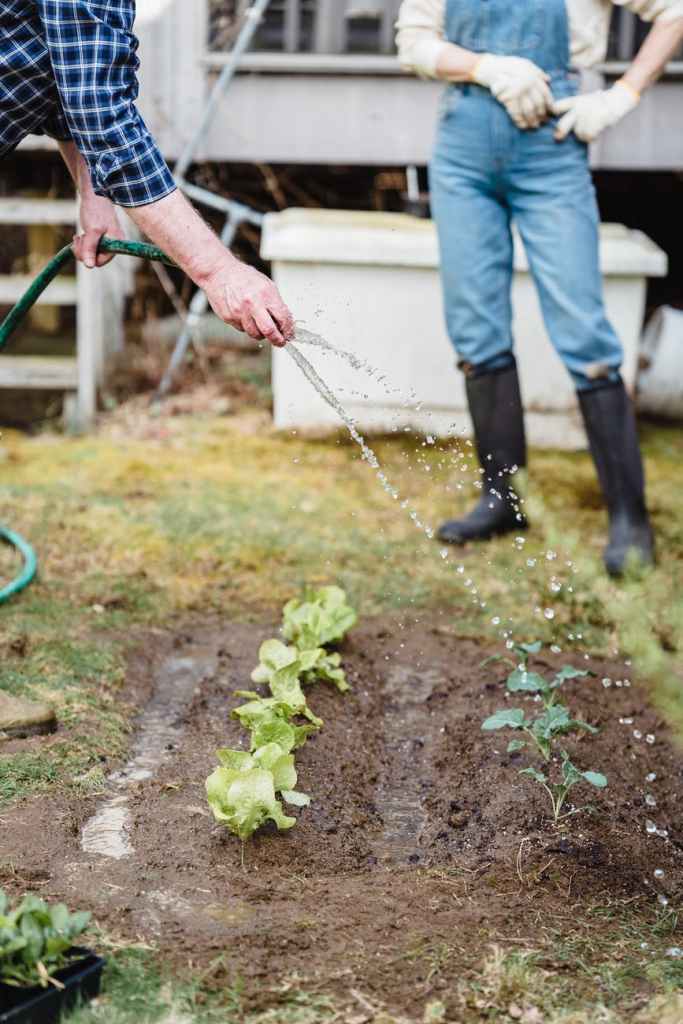
Photo by Greta Hoffman on Pexels.com

Veggie Garden Planner – This easy to use app allows you to easy plan and see “good neighbors” and “bad neighbors”. Keep in mind, not all veggies can be planted next to each other so you have to plan your plant neighbors accordingly.

Get into Bees, Birds, or Bats

Look into beekeeping to help pollinate your plants and produce full-bodied, viable fruits and vegetables. You’ll also help nurture the dwindling bee population. Beekeeping is no small task but it can be very rewarding for both you and your bees. Local apiaries will usually sell you a Nuc (short for nucleus which is a starter colony) and a queen for your new hive. Your colony also needs a safe place to live – Check out how cool Flow Hive is for beginning Beekeepers!

Don’t forget to put in your order for Spring chicks and ducklings too. Chickens and ducks offer great natural pest control and you’ll also get the added benefit of eggs on demand. Remember, you’ll need extra space for a coop and water source for ducks too!

photo by u0413u0430u043bu0438u043du0430 u041bu0430u0441u0430u0435u0432u0430 on Pexels.com

Bees and Birds not your thing? Then add a bat house (or two) for the added benefit of pest control! Mosquitos run rampant here in the south so we plan on adding a few bat houses to take care of the large mosquito, moth, and beetle populations. Bats also act as nocturnal pollinators so they can help your garden while you sleep.

General Clean up

Lastly, the winter months are a great time to clean up any overgrown areas you might have. Our property neighbors two farms and has large, dense tree cover in the back. We will be weeding back the shared fences, strengthening weaker fence areas, and cutting back young trees to make paths through our woods. You can even use branch cuttings as extra as fencing. Scope out garden tools now before they sell out in the Spring, and clean out the shed if you have one.

Here at 30 Wild Acres, we can’t wait to show you our new garden by Spring as well as our winged garden friends. Want progress updates along the way? Follow our Instagram page and stay up to date will our daily stories and weekly posts. Stay warm out there, and stay wild!

5 Things Nobody Tells You About Your First RV

Before we jumped into full time RV living, we did a lot of homework. A LOT. Endless hours poured into YouTube videos, online articles, dealerships, and brochures. We calculated costs, set aside a firm RV budget, downsized our belongings, mentally prepared to deal with waste management (honestly, this stressed my husband out the most!), and made sure our property was outfitted for day-to-day RV life. Despite checking the boxes on our to-do list, there are still some things we wish someone had told us ahead of time.

Bring a tool kit for the unexpected.

Apparently I can’t contain my Hulk-like strength because I ripped the kitchen cabinet door off the hinges on the very first night we spent in the RV. A week later, I did it again on another cabinet! A standard tool kit stored within reach is a life saver. While new and used RV’s usually come with some sort of maintenance package, you don’t want to wait a few days or weeks to schedule a repair that you can easily do yourself. Also, when moving your RV, things are going to move and shift around a bit. You’ll need to tighten the occasional screw or for example, open the floor heat vent to retrieve a Barbie accessory, courtesy of your toddler. A little elbow grease will be needed from time to time. Speaking of grease, don’t forget WD-40 for squeaky doors too!

Photo by Anete Lusina on Pexels.com

You don’t have to move it yourself.

Did you know you can usually negotiate for the dealership to deliver your RV? We did! This is especially helpful if you’re not quite ready for your first haul. We bought our fifth wheel out of state and we were not ready to tow a long distance ourselves for the first time. Shop around for third party transportation services as a back up just in case local or interstate transport is not offered by the dealership. Communication and planning will be key here when scheduling your RV delivery. First, our in-person inspection was paused for several weeks due to an outbreak of coronavirus among the mechanics at the dealership. Then, on the day our RV was scheduled to be delivered, the transport ran several hours late due to a tornado watch. It is really unsafe to take an RV out on the road when wind conditions are severe because the whole operation can get blown off the road, so the driver waited the storm out until it was safe to hit the road.

Finally, our new 2022 Keystone Avalanche was delivered to our property after a long awaited journey.

When it comes to waste management, invest in the best.

I’ll be frank here, you’re gonna have to deal with the waste stored inside the RV tanks, and the sooner the better. Fresh water is stored in a separate tank while waste is stored in grey water tanks and black water tanks. Grey water is made up of used shower and sink water. Black water is connected to the toilet waste. Make sure you get a water filter for incoming freshwater (especially if your water source is questionable). You should also know the distance of your tank openings to your openings of the septic tank system. Knowing this will help you get the right size hose. Too long and the sewage wont flow out properly; too short and well, you’ll be shit out of luck. False readings on the tank level indicator happen too, which sometimes indicate your tank is full when its not. We check the tanks every other day using a built in indicator so we never have to encounter a cabin overflow. Yes, I said overflow. Lastly, invest in quality hoses. You really really do not want weak or cheap hoses here. Look for crush resistant hoses with superior locking mechanisms to ensure you never have a mess at home or at the campsite.

This is your home. Treat yourself…Wisely.

It’s very tempting to get all the new gadgets after you get your new RV. Don’t forget you now have limited space. Be mindful on what extras you purchase and how often you’ll actually use them. Get yourself a light, compact vacuum. Cleaning your RV interior is so easy and quick but, if you have kids running in and out of the RV, dirt is going to be and issue. And if your kid is like ours, snack crumbs will run rampant in and under your furniture. Pests will take over quickly so its important to keep a clean RV. A humidifier is also a must in the winter months. We all caught colds early December because we were unprepared for how quickly the RV cabin dries out. However, don’t keep it too moist in there all year long. Mold can be an issue since the surfaces in the RV are different from the ones in your regular home. Your A/C unit will act as a dehumidifier but you might need an actual dehumidifier if you live in anywhere in the south. Not a total necessity but we find an air purifier helps up breath a little better on high pollen days. Ideally you’ll be closer to nature which means closer to pollen and pollutants. In the kitchen, forget heavy pots and pans, and just get an Instant Pot instead. It’s an all-in-one cooker and you’ll save precious drawer and cabinet space.

Don’t forget to add sales and use tax into your RV purchase.

Some dealerships will include sales and use tax in your total sales price and some will not. If the dealership does not include these things, your RV price will look temptingly low. You’ll owe these taxes to your county comptroller and is required as part of your RV registration. Your RV can be registered as stationary which does not require an state inspection. If you plan on taking trips in it, plan on paying for and installing the license plate, as well as scheduling regular inspections before you hit the road.

Photo by Pixabay on Pexels.com

I hope you enjoyed our informative list of 5 things nobody tells you about your first RV. I have many more topics planned but let me know in the comments if there something I can help answer. Happy New Year, and Stay Wild!